
Three days in a northern city in January give about six hours of usable daylight, and the first choice is what those hours are for: the museum you actually came to see, or the walking you assumed would fill the days. I plan the trip backwards from one booked entry, because everything else in winter is flexible except the opening hour that closes at 16:00. Get that ticket before the hotel, and the rest becomes arithmetic.
Measure the daylight first
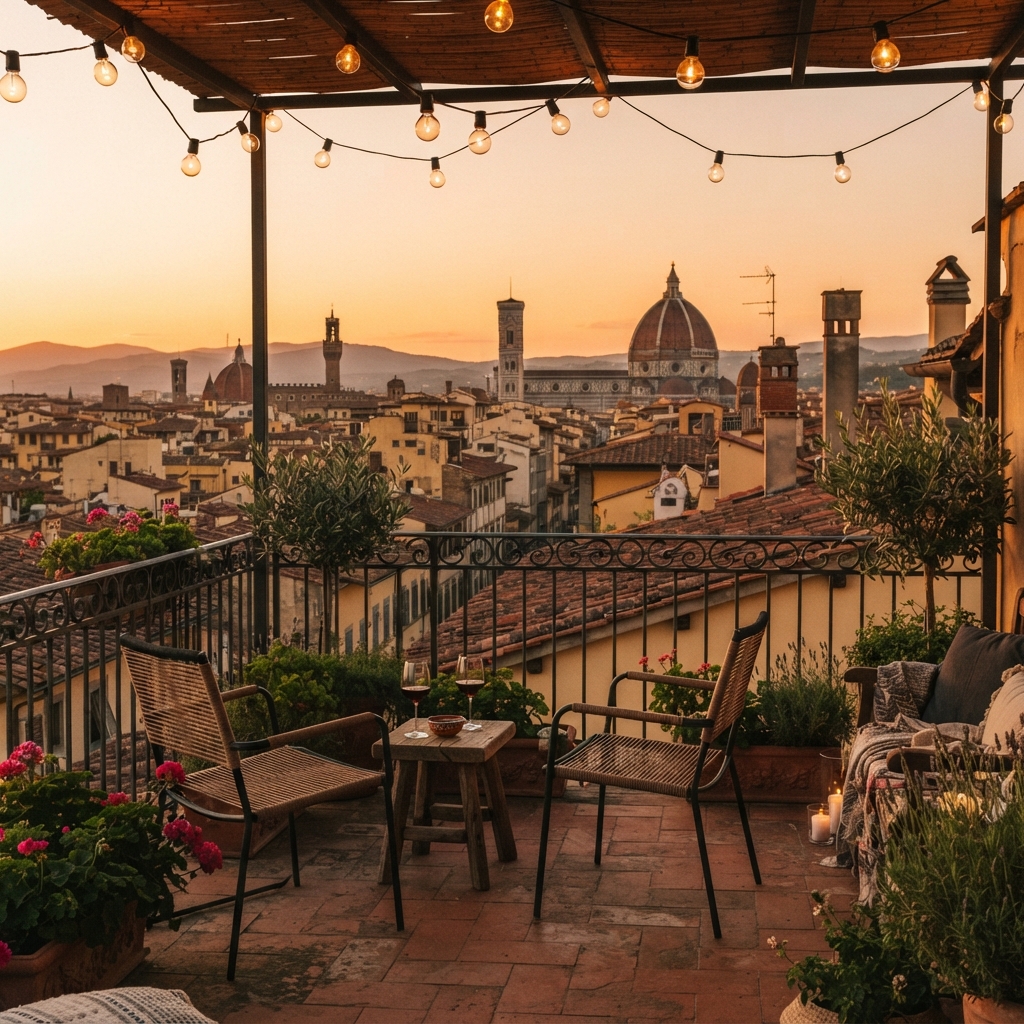
Between December and February a city such as Copenhagen or Krakow offers roughly 7:30 to 16:00 of real light, with the useful part ending an hour earlier under cloud. Bergen sits nearer 9:00 to 15:30 in January, while Prague still gives close to 8:00 to 16:30. I write those two numbers at the top of the plan, because every winter booking is really a decision about which side of 15:00 it happens on.
- Bergen and the Norwegian coast: about 6 hours of daylight in January, blue hour from 15:00.
- Copenhagen and Berlin: 7 to 8 hours, enough for one outdoor block and one indoor block.
- Prague, Vienna and Budapest: 8 hours or more, and the tail of it lands on the lit squares.
Getting there and the frost problem
Winter fares bottom out six to eight weeks ahead, and the cheapest fare on a route is usually the one that lands at 21:00, which costs you a morning rather than money. Airports de-ice in sequence, so a 07:00 departure carries more delay risk than a 11:00 departure on the same line. On the ground I check the tram and night-bus timetable before the walking map, because the walk home is fine at 14:00 and a poor idea at 22:00.
Luggage matters more in frost than in rain: wheels drag on grit, and cobbles are rarely cleared. I take a bag I can carry up a flight of stairs and I keep the transfer under thirty minutes, which usually means booking the stay within two stops of the main station.
Dress for the hours outside
The cold that ruins a winter break is not the daytime cold but the four minutes spent on a platform at 16:45 with a bag at your feet. One warm layer that covers the neck and ears, boots with grip for polished station floors, and gloves you can still unlock a phone with are the whole difference. Everything else can be bought in the city if the suitcase is already full.
- One insulated layer, worn rather than packed, so it never counts as luggage.
- Grip soles: pavement grit and polished marble are the two surfaces you will meet.
- A thin pair of liner gloves for tickets,timetables and door handles.
- A foldable tote for the wet layer you take off inside the museum.
Book the indoor hour in advance
Timed entries exist for a reason in winter, because the queue that takes ten minutes in September takes forty when everyone is inside at once. The order I use is simple: reserve the ticket that closes early, then anything with a fixed tour slot, then leave the rest of the day alone.
- Reserve the main museum for the second day rather than the first, so a delayed flight cannot eat it.
- Book the guided slots next, since they run two or three times a day and cannot be moved.
- Leave the outdoor half of the trip unbooked, because frost days and clear days swap places in the forecast.
Sleep central, not large
A small room in the old town beats a cheaper one at the edge, because the saving disappears in evening taxi fares and in the hour spent riding out. I look for a place within a fifteen-minute walk of the main square, with heat that works without a wait and a shower that runs hot on the first try. Two nights in one base beat four nights split across two hotels, since the unpacking tax is heavier in winter.
- Walking distance to the first indoor hour, measured at 09:00 rather than on a map.
- Breakfast served before 08:00, or a bakery within three minutes of the door.
- A room where wet gloves and boots can dry overnight without stinking the place.
Eat for the long evening
Dinner starts early in winter where kitchens are small: 17:30 seating is common, and a second sitting near 20:30 fills on weekends without a booking. Lunch is the meal I actually plan, since museums empty between 13:00 and 14:00 and the set menu is often the best value in the building. Between the two, a market hall or a single long counter gives you a hot plate without giving up the last hour of light.
Start with the one ticket
Before anything else, buy the entry that made you choose this city, on a date that leaves a spare morning around it. Once that hour is fixed, the flights, the hotel and the rest of the list arrange themselves around a single confirmed block, which is the entire method. I keep the confirmation on the first screen of my phone and build the plan there.