
These tips come out of how I plan rather than out of a list of highlights: one anchor per trip, a park or ferry timetable open in another tab, and shoulder season wherever the calendar allows. North America suits that method better than most continents, because the part you remember afterwards is usually the stretch between two big names. Everything below comes from trips where the plan met real weather, real traffic and a booking window that did not move.
1. Choose the months, then let them choose the country
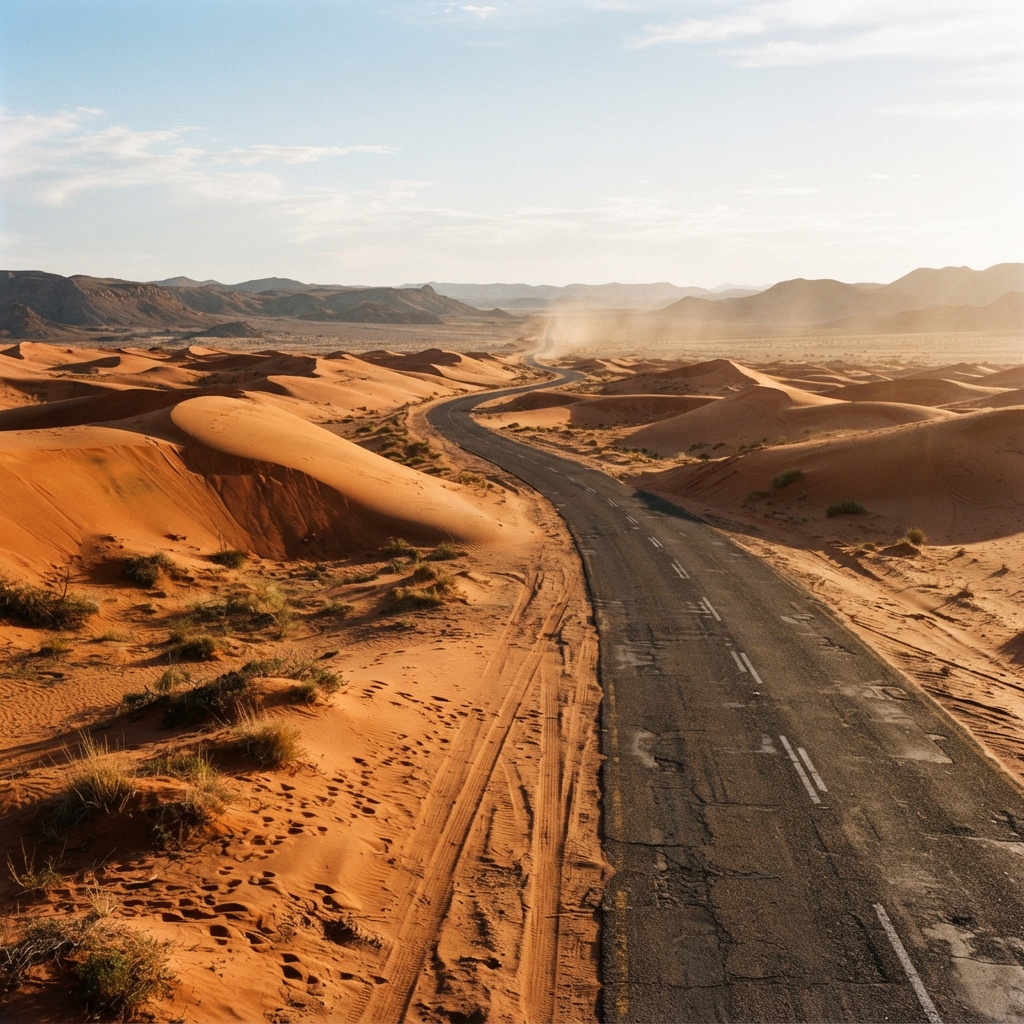
Nothing on this page matters as much as your window of dates, since the same landmass behaves like five different destinations depending on the time of year. I write down the weeks I can travel first and cross whole regions off afterwards.
- May to September is the working season for national parks and road trips in the United States and Canada. Yosemite and the Canadian Rockies are at their most reachable and coastal runs are warm, but July and August bring peak prices and crowded trailheads.
- September and October are the underrated stretch: thinner crowds, mild days, and foliage that recolours entire valleys across New England.
- November to March belongs to skiing, with Colorado, Utah and British Columbia holding the most dependable snow. Remote parks and high roads can be closed by then.
- November to April is the dry season in Mexico and much of the Caribbean, with lower humidity and steady beach days. Hurricane season runs from June to November, so autumn bookings should stay flexible.
- December to April lines up dry weather in Costa Rica and Guatemala, which is when volcano hikes, rainforest trails and festival dates all fall together.
If I could travel on this continent only once a year, I would take the last fortnight of September. Parks are still open, cities have come out of the summer heat, and room rates have already dropped away from the peak.
2. Anchor the itinerary on one thing, not twelve
I file trips the way I used to file records: one document goes in the middle and everything else arranges itself around it. Out here that anchor might be a multiday hike in Banff, a loop of desert road in Utah, or three days spent working through the museums of Mexico City.
The regional list is long: Belize, Costa Rica, El Salvador, Guatemala, Honduras, Nicaragua and Panama in Central America, the Dominican Republic in the Caribbean, then Mexico, the United States and Canada across the north. A fortnight spent touching all of them becomes a trip made of terminals and boarding gates, so pick two entries from that list and leave the rest for another year.
3. Give Central America its own trip
Guatemala and Costa Rica change the tempo entirely, with rainforest, volcano country, old ruins and a slower way of moving between them. Bolting them onto a North American city break rarely works, because they need separate flights and their own rhythm.
The dry window from December to April is the practical one, since it keeps heavy rain off the trails while leaving beaches usable. In that stretch you can also plan around the big local events, from Semana Santa processions in Guatemala to the Fiestas de Palmares in Costa Rica.
Moving between the countries is straightforward on paper. Buses are the standard way to travel, shuttles fill the gaps, and a short flight saves a whole day when a land border would eat it. Pupusas in El Salvador and gallo pinto in Costa Rica are the two dishes I would build a food day around.
4. Trust the distances more than the map scale
Cities here are easy. Subways and bus networks cover the centre, and walking gets you to most of what a visitor wants. The moment you leave the urban edge a car changes what is possible, especially where the trailhead sits an hour or two from the nearest town.
Plan in half days rather than in hours. Roads are long, weather turns quickly with region and altitude, and the crossing you assumed would take an hour can take three. In Central America the bus is the default, with shuttles and the occasional short hop as the escape valve. Short flights are worth pricing early, because a hop that costs little next to two days of driving gives back the time you came for.
5. Budget in layers instead of one number
This continent has no single price level, and pretending otherwise is the fastest way to run short halfway through. The United States and Canada sit at the expensive end, while much of Central America costs a fraction of the same week.
Keep three lines separate in your notes: transport, where road trips quietly get expensive; food, which shrinks fast if you eat where the local queue is; and tipping, which is expected in the United States and Canada and belongs in the daily total rather than in the surprise at the end of it.
Two habits keep the numbers honest. Book the big-ticket items first, park entries, internal flights and the long legs that sell out, then leave the rest loose so a cheaper option can still replace them. I also keep a running note of what each day actually cost, because transport and tipping are what quietly push a trip past its plan.
6. Eat where the day is happening
The meals worth keeping are usually the ones nobody booked: a street stall, a roadside diner, a market counter, a shack on the sand. Tacos in Mexico, barbecue in the American south and fresh seafood along the Canadian coast are three different trips in themselves.
I use regional dishes to choose between regions rather than as a checklist. Pupusas and gallo pinto tell you more about a place than a viewpoint does, and they cost almost nothing compared with a restaurant in the city centre.
Markets are where I do most of my eating, and they double as a timing tool. Turn up when the lunch crowd does and you eat well for the price of a coffee in a tourist square, then walk straight into the part of the neighbourhood where people actually live.
7. Let one or two cities set the tone
Every city on this continent runs at its own speed. New York and Los Angeles move fast and never quite stop, Quebec City keeps its older streets and slower habits, and Mexico City fills a whole day before lunch. Antigua and San Jose sit at the other end of the scale, with daily life spilling out onto the pavement.
Two cities per fortnight is the ceiling I use. Past that, you start measuring a place by its traffic rather than by what it holds, and the culture you came for ends up watched through a car window.
I also read each city against the country around it. A few days in Mexico City followed by two nights in a smaller town shows the contrast better than any written description, and the move between them becomes part of the route.
8. Look past the landmarks for the culture
Across this continent the interesting material sits in ordinary places. Indigenous communities in Canada and the United States keep languages, art and ceremony alive well beyond any visitor centre, while Mexico carries regional traditions and festivals through the calendar year.
The contrast runs right down to street level: big cities, small towns, national parks and stretches of country that have almost nothing in common with the place two hours away. I plan one stop each week around something cultural rather than scenic, whether that is a market day, a festival or an afternoon in a local museum. It rarely needs booking, and it is usually the part of the trip I end up describing first.
9. Leave the middle of the day unplanned
Nature is the reason most people come back. The Rocky Mountains, the geothermal ground of Yellowstone, the lakes around Banff and the deserts of the southwest all sit on the same continent, and a short flight separates them from Caribbean beach, Central American jungle and tropical coast.
Wildlife follows the same range: bison blocking a road, bears in forested country, whales off the coast, and in the rainforest, sloths, toucans and bright frogs that take a guide to find. My working rule is to keep one day each week empty, because the Grand Canyon detour, the early start at Banff or the boat out to the Belize Blue Hole is almost never in the original plan.
The two tips that carry the most weight are the first and the last: fix your months early, then keep a day unbooked. Everything else on this page bends around those two.