
The decision that comes before any booking is which quarter of the continent you fly into, because the season that suits one quarter ruins another: a dry beach week in Thailand collides with a wet week in the Himalaya, and spring in Japan costs double autumn. Asia holds more than half of the world's population across climates that share little but longitude. I plan one region per trip, in the order the trip will actually run, and let the calendar follow the route. Whichever quarter you choose, carry an itinerary that can absorb one cancelled ferry and one closed temple.
Getting there
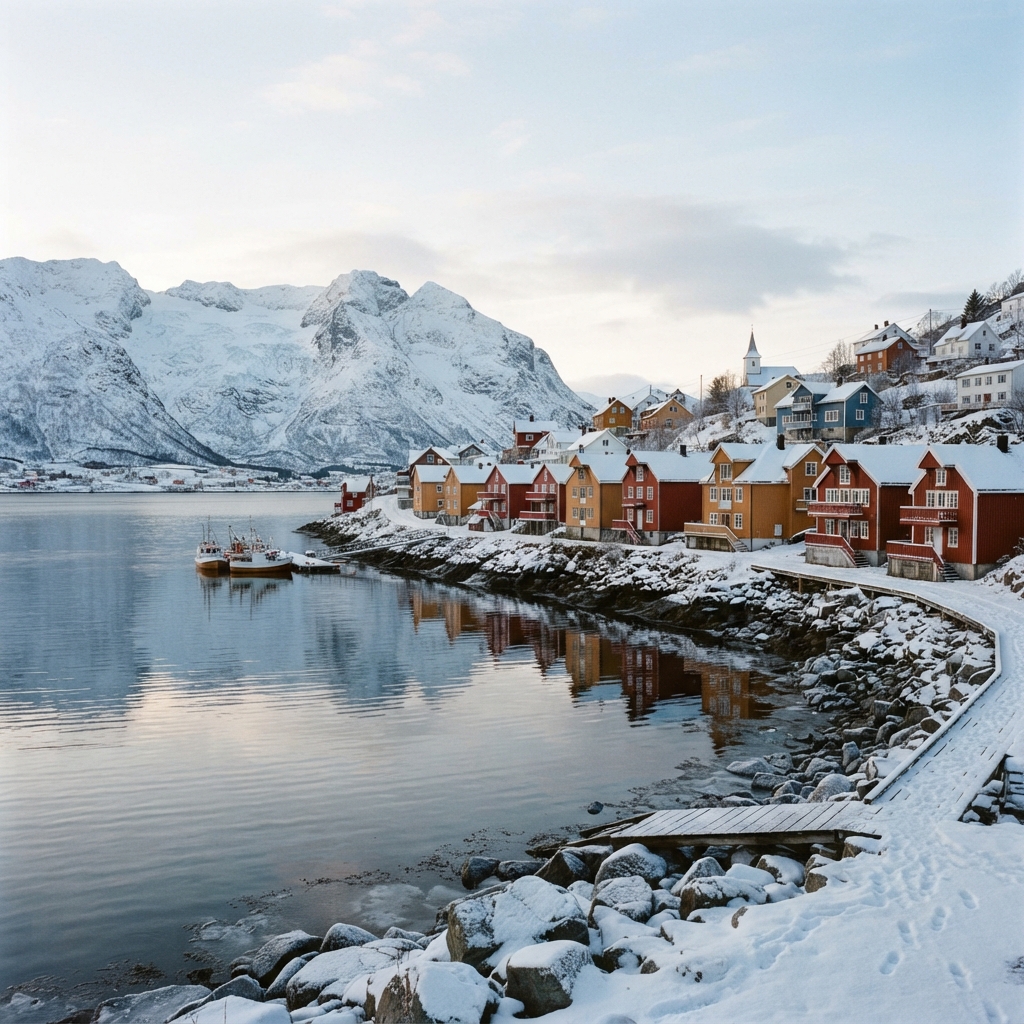
Almost every long-haul itinerary routes through one of four hubs: Bangkok, Singapore, Tokyo and Dubai. All four work as first stops in their own right, which matters when a connection would otherwise eat an afternoon. Fares into them are competitive from Europe, and each has a cheap, frequent link onward to the rest of the region.
The hub should follow the region rather than the fare. Bangkok is the cheapest door into Southeast Asia and doubles as a rest stop after a European flight; Tokyo suits a trip that is Japan and nothing else; Dubai makes sense when the route runs to the Levant; Singapore is the rare hub that rewards two nights of its own. Open-jaw tickets, arriving in one and leaving from another, usually cost little more and save a backtrack.
I handle arrival admin in a fixed order:
- Entry paperwork. Much of Southeast Asia issues a visa on arrival or an e-visa within days, while Japan, China and the Gulf states want the formalities sorted before you fly. Check the rule for every country on the route, since overland borders often run different systems to airports.
- Cash and cards. Japan and Singapore are close to cashless, night markets in Thailand and Vietnam still run on small notes, and rural ATMs empty out at weekends. I withdraw a working amount at the hub airport rather than hunting for a machine later.
- One internal flight booked early. The long domestic leg, Tokyo to Sapporo or Bangkok to Chiang Mai in my case, climbs in price fastest. Fix it as soon as the international ticket exists.
When to go
Four windows cover most of the continent, and they overlap in awkward ways, so the month matters more than the region.
- November to March, cool and dry. Mild temperatures and low humidity across Southeast Asia, and peak season in Thailand, Vietnam and Indonesia for beaches, islands and city walking.
- March to May, blossom and spring. Cherry blossom transforms cities across Japan and South Korea, and the weather stays mild before summer heat arrives. Beds need booking months ahead for those weeks.
- June to September, monsoon and high trekking. Heavy but usually short downpours, more humidity and thinner crowds across South and Southeast Asia. The same weeks give the clearest window for Himalaya treks and for crossing Mongolia.
- October to April, Gulf and Levant. The United Arab Emirates, Jordan and Oman stay walkable in these months and punish summer plans; standing in Petra at 40 degrees is a plan that fails on contact.
Numbers help more than adjectives here. Bangkok sits near 32 degrees through the dry months, Hanoi drops into the mid teens from December to February, and January in Tokyo means single digits with dry pavements; an island that bakes in May is pleasant in November. Altitude changes the arithmetic too: Kathmandu stays cool all year, so a fleece travels with me in every season.
Festival dates can drive an entire itinerary: Lunar New Year falls in January or February, Holi in March, Songkran in April, the Gion Matsuri in Kyoto in July, and Ramadan moves about eleven days earlier each year and closes with Eid. Each one brings crowds, higher room rates and tight availability, so lock the dates before the flights.
My one recommendation for a first visit: the last three weeks of October into November. The monsoons have released the region, rates sit below the winter peak, and the light after rain is the best of the year.
One honest warning: the two weeks around Lunar New Year effectively close the continent. Factories shut, trains sell out within minutes of the booking window opening, and city hotels double their rates. If your dates collide with it, reserve the entire trip before December.
What to see
With this much variety the failure mode is a trip made of airports, so I pick one anchor experience and build outward. Most first trips should anchor on either a city pair or a trek, because both decide your season for you.
- City anchors: Kyoto for temples and a metro anyone can read, Seoul for late-night markets, Istanbul for ferries between two continents, and Shanghai for the fastest-moving skyline I know.
- Landscape anchors: the rainforest boardwalks of Borneo, high routes in the Himalaya, Thai and Maldives beaches, dunes of the Arabian Desert, wadis in Oman and reef water on the Red Sea.
- Wildlife anchors: Bengal tigers on Indian reserves, giant pandas outside Chengdu, and snow leopards in the high valleys of Central Asia for anyone willing to trade comfort for a chance.
For history, four sites justify a detour on their own: the Great Wall north of Beijing, Angkor at dawn outside Siem Reap, the Taj Mahal in Agra, and Petra's approach through the siq in Jordan. Be at each gate at opening hour; by ten in the morning the coaches have arrived.
A route that works in practice: ten days in Japan from Tokyo north to Kyoto, three nights in Bangkok, then a week in Vietnam from Hanoi south. Three bases, two flights, one regional pass, and no morning lost to a border queue.
The route I offer people who have already done that one runs west instead: Delhi and Agra for four nights, then a flight or the slow bus and border crossing to Kathmandu, and six days walking in the Annapurna foothills before flying home from the same city. It swaps the metro logic of East Asia for altitude, which is a different kind of tired entirely.
Where to eat
Food is the most reliable way to read a place here, and it rarely needs a budget. A plate at a Bangkok stall or a Singapore hawker centre runs three to five dollars, while a comparable quantity in a Tokyo dining room costs around twenty-five; choosing which one you want tonight is half of travel spending.
The range runs continental: sushi in Japan, pho in Vietnam, curries shared in India, hummus and kebabs across the Levant, and saffron-heavy cooking in Iran and Lebanon. Busy counters turn food over fastest, which makes them the safest order in most cities. Meals stay social and often spontaneous, and tea culture sits quietly underneath all of it: a glass is offered, and rarely refused.
Breakfast is where local habits show most clearly: noodle soup before seven in Vietnam, rice and grilled fish in the morning in Malaysia, and pastries eaten standing in a Japanese bakery. Kitchens stop serving by ten in many places, so an early start earns shorter queues and the freshest batch of the day. Halal and vegetarian requirements are simple across South and Southeast Asia and take more reading in Japan, where checking the menu in advance saves a long conversation across the counter.
Getting around
Inside the big cities transport is already solved. Tokyo, Singapore and Dubai run metros and airport rails that make hiring a car pointless, and a day ticket covers nearly anything you will do.
Outside them the options narrow into a pattern I have used for years:
- Overnight trains and buses for legs under eight hours, because they replace a night's bed and drop you in the city centre at breakfast.
- Domestic flights for anything longer or for crossing the Bay of Bengal and the Chinese interior; booked early, the fares stay reasonable.
- Longtail boats and ferries for island chains, where the timetable runs on local time and the last departure is the only one that matters.
- Taxis and ride-hailing apps for the gaps, with the meter confirmed or the fare agreed before the doors close.
Budgets split the continent as well: Japan and Singapore sit at the expensive end while Cambodia and Nepal stretch the same money a long way. Norms change at the next border, so check dress and photography rules before temples, mosques and village visits.
Booking runs through a mix of official apps and the hotel desk: sleeper buses and island ferries can usually be bought the day before at reception, while domestic flights need a passport number and a proper screen. Keep confirmations offline, because signal disappears exactly when the inspector appears.
Land borders still beat airports for short hops: Cambodia into Vietnam, or Thailand into Laos, takes half a day when the paperwork is in order and gives you back a view of the country that flying deletes.
Before reading anything else, fix the one date that cannot move: a trek permit, a festival window, or the single internal flight that anchors the route. The rest of the plan builds around it, and the season question answers itself.