
Decide the season before the itinerary, because Europe changes character completely between April and August: the same piazza in Rome during the first week of August hits 38 degrees and queues for shade, while late September gives you the city at walking speed. Once the month is fixed, the rest of the plan mostly writes itself: how many countries fit, which trains to take, and where the beach days belong. The month also decides what you wear, what has to be booked in advance, and whether you walk in front of the crowds or behind them.
Getting there
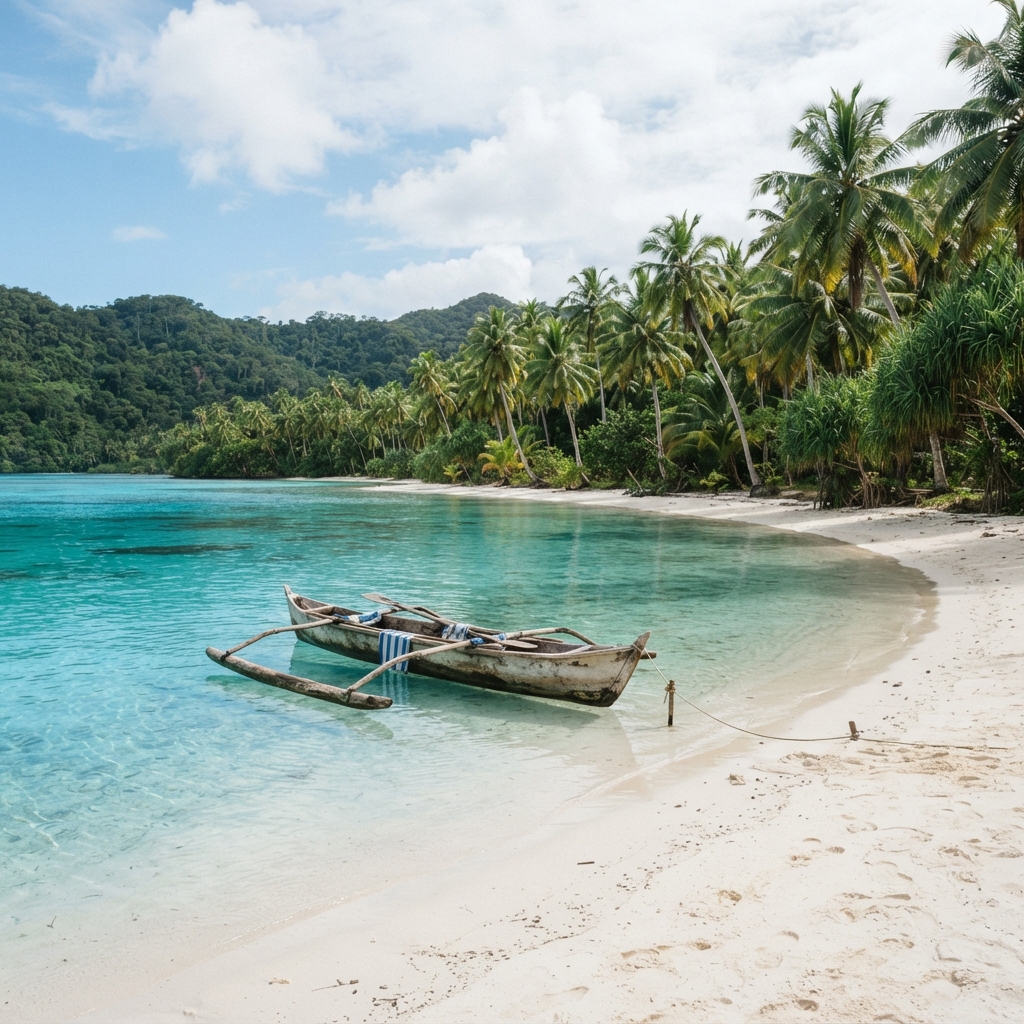
Long-haul flights land on a handful of gateways, and picking the right one saves a full day. London, Paris, Amsterdam, Lisbon, Istanbul and Athens all work as entry points, and an open-jaw ticket, in through one city and out of another, usually costs little more than a straightforward return when booked early.
Three checks before paying:
- Stay limits. The Schengen Area lets you cross internal borders without stamps, but it also counts your days: visitors from outside the EU generally get 90 days in any 180, while Britain and Switzerland sit outside the zone entirely.
- Season surcharge. July and August fares from outside Europe climb hard, and the same routing in May or September can come in a few hundred pounds cheaper.
- Arrival time for the onward train. Landing at nine in the evening buys a hotel night you did not budget for. I aim for connections that land before midday so day one is usable.
Once the ticket exists, put the first night next to the station you arrive at. Quiet residential streets sit five minutes from most European terminals, and paying central-room rates for an evening you will spend walking outside is money thrown at the pavement. Budget carriers need the same arithmetic: a 40-euro fare two hours from the city centre often costs more door to door than a train from the middle of town.
When to go
Four seasons, four different trips, and the choice matters more than the country.
- Spring, April to June. Cities wake up, temperatures stay mild, and pavement cafes fill before the summer crush. These are the months for long walking days and full museum hours without peak prices.
- Summer, June to August. Beaches and late sunsets, best along the Mediterranean in Italy, Greece and Spain, alongside the highest fares, busiest queues and real heat in inland cities. Coast beats city in August, every time.
- Autumn, September to October. My pick. Crowds drop, room rates fall, the sea is still swimmable, and the light on a train window at six in the evening is worth planning around.
- Winter, December to February. Christmas markets in Germany, Austria and the Czech Republic, skiing in the Alps, and the Northern Lights above Norway and Iceland. Days are short, so schedule one major outing per day.
Festival dates worth building a trip around: Carnival in Italy in February, La Tomatina in Spain in late August, and Oktoberfest in Munich through September. All three guarantee crowds and inflated room rates, so book the bed before the ticket.
One line of advice on timing: the last two weeks of September. Everything is open, half the queues are gone, and the water is still warm enough to swim.
Check the thermometer against your own limits before committing. Inland cities pass 30 degrees regularly in July and August, Mediterranean sea temperature peaks in late August around 24 to 26 degrees, and winter daylight in the north ends by three in the afternoon. Sightseeing at nine and resting through the middle hours is how people survive August in Rome or Athens.
What to see
Europe punishes any attempt to see all of it, so I anchor each trip on one city and one stretch of landscape and let the trains do the rest. Two weeks fits three bases comfortably; a fourth usually costs a full day of transit.
A route I have run twice: three nights in Paris, two in Amsterdam, then south to Florence for four, with a Croatian island stop on the way home. Distances are short, Paris to Amsterdam about three hours by high-speed train and Florence to Rome a little over ninety minutes, and that is exactly why slow movement wins here.
- City texture: cobbled lanes in Prague, Gaudi's facades in Barcelona, a standing espresso in Vienna, and the extinct volcano that Edinburgh sits on.
- Land for the middle days: Alpine passes, the fjords of Norway, the Atlantic coast of Ireland, and clear water between Croatia's islands.
- Wildlife if you look: puffins on Scotland's sea cliffs, brown bears in the Carpathians of Romania, and dolphins off the Portuguese coast.
For anything alpine, the numbers matter: Chamonix sits at about 1,035 metres and the cable car to the Aiguille du Midi climbs to 3,842, which is enough height to make an ordinary summer walk feel like a different sport. Marked routes and mountain huts open from June to September, and snow closes most passes again by October. In the north the same logic applies to daylight, since festival weeks in Edinburgh keep it bright past ten at night and quietly double the usable day.
Slower options exist when cities are not the point: a week on the Croatian coast in June, three nights walking in the Julian Alps, or a circuit of Iceland in late August while the highland tracks are still open. Each of those needs a room reserved in spring.
Where to eat
Meals here follow tradition more than fashion, and the rhythm is part of the point: a long dinner, an espresso taken standing at the bar, or a plate at a market counter. Pasta in Italy, pastries in France, tapas in Spain, each country keeps its own set of rules and they are worth learning before the first order.
Lunch is the value meal almost everywhere, because the midday set menu is priced for office workers while dinner carries the evening rate. In southern markets, a sandwich and a coffee cost a few euros and teach you more about a town than a reserved table. Turning up at half past six in Spain or Italy means eating alone with a cold kitchen, so follow the local clock.
Prices follow the same east-west pattern as everything else: an espresso taken at the bar in Rome runs about one euro twenty, the same coffee in Copenhagen costs closer to four, and a market lunch in Lisbon can still be had for six or seven euros. Tipping moves with the customs as well, since service is usually included on the continent, rounding up is normal in Germany, and about ten percent is expected in Britain.
Getting around
The rail network is what makes this continent work: frequent trains, city centres built for walking, and budget airlines covering the gaps rail cannot. Borders inside the Schengen Area are a non-event, which is what makes multi-country routes simple to assemble.
- Pick the routing first, then decide between advance point-to-point tickets and a pass; passes pay off on heavy travel days, singles win when you stay in one place.
- Reserve the long legs early. High-speed services sell cheap advance fares that vanish quickly, and the same seat at the counter can double in price.
- Check the currency twice. Most of the continent runs on the euro, while Britain, Switzerland, Norway and Sweden do not, and non-EU cards often charge on every withdrawal.
- Keep one rest day each week. Museums close on Mondays in several capitals, and a schedule without slack turns a closure into a wasted morning.
Costs split east to west: Northern and Western Europe run expensive, while Portugal, Greece, the Balkans and Central Europe stretch a daily budget a long way. English covers most tourist-facing talk, but ten words of the local language still change the welcome you get at a family-run place.
Two habits save money and hours: take the airport bus when the metro reaches the centre, and travel on a Sunday, when roads are empty and engineering works are rare. For the long gaps night trains still work, Vienna to Paris among them, and one sleeper replaces a hotel bill as well as a lost travel day. Buy water and breakfast at a station kiosk before boarding, because the buffet car charges for the privilege of sitting at a table.
Book the leg that anchors the route tonight, whether that is a cheap advance seat on a long train or the room for a weekend with a festival in it. If the week is short, start from one city and the lines radiating out of it instead of attempting a three-country loop.